
When Typhoon Mawar devastated coastal communities in the Philippines in 2023, our emergency response team mobilized within hours. What followed was a comprehensive relief effort that provided critical support to 25,000 people in their darkest hour.
The Disaster Strikes
Typhoon Mawar made landfall with winds exceeding 200 km/h, destroying homes, infrastructure, and livelihoods across multiple provinces. Entire communities were cut off from aid, with roads impassable and communication systems down. The need was immediate and overwhelming.
Rapid Response
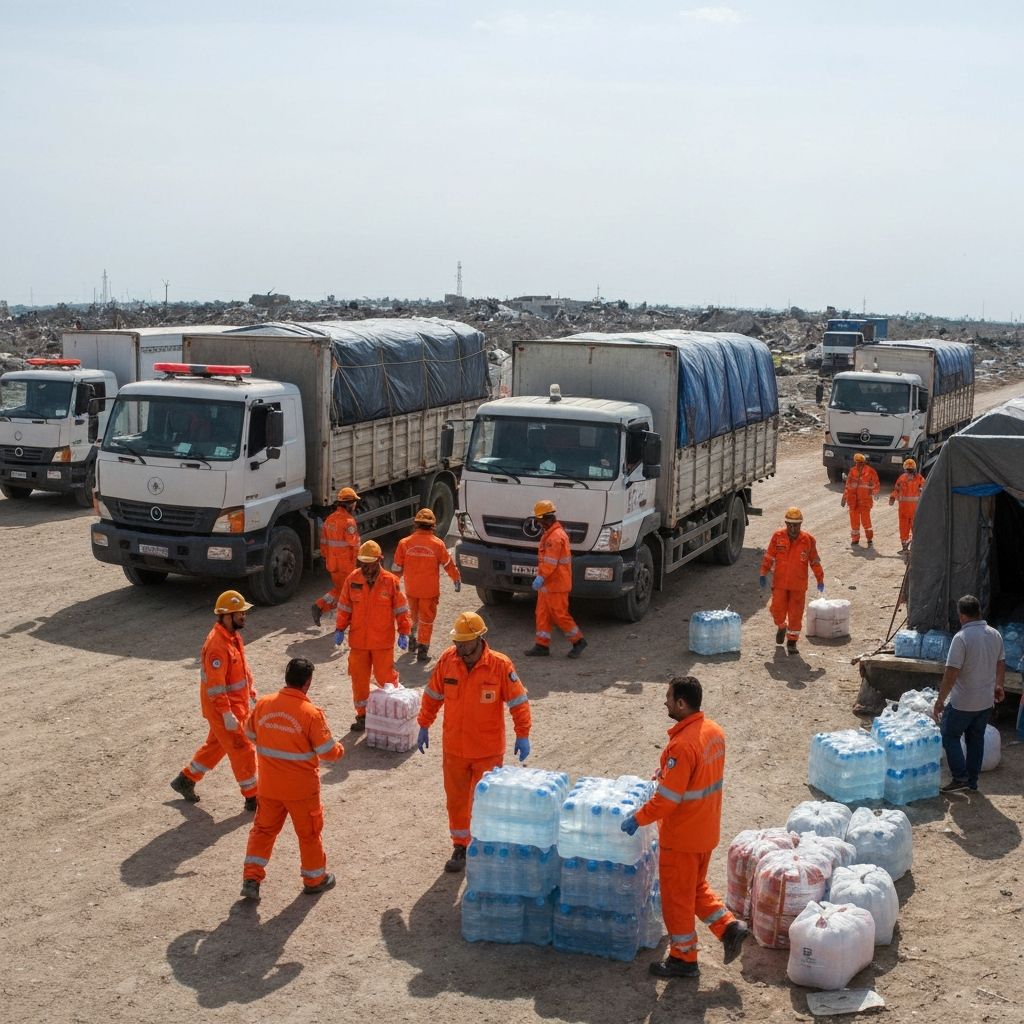
Within 24 hours of the typhoon's landfall, our emergency response team was on the ground. Working with local partners and government agencies, we quickly assessed needs and began distribution of critical supplies:
- Emergency food packages for 5,000 families
- Clean water and water purification tablets
- Temporary shelter materials (tarpaulins, tents, rope)
- Medical supplies and first aid kits
- Hygiene kits to prevent disease outbreaks
- Solar-powered lights and communication devices
"We lost everything—our home, our belongings, everything. But when your team arrived with food and shelter materials, we knew we would survive. You gave us hope when we had none."
— Roberto Santos, Typhoon survivor
Medical Response
Our mobile medical teams set up emergency clinics in the hardest-hit areas, providing:
- Treatment for injuries and trauma
- Medications for chronic conditions
- Maternal and child health services
- Mental health and psychosocial support
- Disease prevention and health education
Over three months, our medical teams conducted 8,500 consultations, treated 1,200 injuries, and helped prevent disease outbreaks that often follow such disasters.
Shelter and Recovery
Beyond immediate relief, we focused on helping families rebuild. Our shelter program provided:
- Temporary housing for 1,500 families
- Building materials for home repairs
- Technical assistance from construction experts
- Cash-for-work programs to stimulate local economy
- Livelihood support to restore income sources
Community-Led Recovery
We worked closely with community leaders to ensure our response met actual needs and built on local strengths. Community members weren't just recipients of aid—they were partners in the recovery process, helping distribute supplies, identify vulnerable families, and plan for long-term resilience.
Impact by the Numbers
Our comprehensive response reached:
- 25,000+ individuals across 35 communities
- 5,000 families receiving emergency supplies
- 1,500 temporary shelters constructed
- 8,500 medical consultations provided
- 2,000 households receiving livelihood support
- 15 schools repaired and reopened
- 20 water systems restored
Building Resilience
As the emergency phase ended, we shifted focus to long-term resilience. We're now working with communities to:
- Build disaster-resistant housing
- Establish early warning systems
- Train community disaster response teams
- Create emergency preparedness plans
- Restore mangrove forests for natural protection
Lessons Learned
This response reinforced the importance of local partnerships, rapid mobilization, and community-centered approaches. The relationships we built during this crisis have strengthened our ability to respond to future emergencies.
Ongoing Support
While the emergency has passed, our commitment hasn't. We continue to support these communities as they rebuild stronger and more resilient. The road to full recovery is long, but together, we're making steady progress.
Disasters may be inevitable, but suffering doesn't have to be. With rapid response, compassionate care, and long-term commitment, we can help communities not just survive disasters, but emerge stronger.